Green Mobility
Nigeria's green mobility market is in its early stages but moving fast, with growth led by electric two- and three-wheelers in major cities.
Nigeria's Electric Mobility Market in Motion
Nigeria's green mobility market has moved from pilot to early-scale deployment, anchored by electric two- and three-wheelers, EV bus rollouts already operating in Lagos and Abia, and solar-powered charging infrastructure entering commercial use. Policy has caught up to momentum: the EV Transition and Green Mobility Bill 2025 sets a target of 13 million EVs by 2050 and 100% EV penetration by 2060, backed by a 30% local content requirement by 2030 designed to anchor manufacturing onshore rather than leave Nigeria as an import market.
Local assembly is responding in kind. Domestic and international manufacturers are establishing assembly plants and charging infrastructure on the ground, with Nigeria now home to a 100,000-unit capacity electric two-wheeler assembly plant in Ogun State. The investment case rests on demand economics, not policy alone. Fuel subsidy removal has repriced petrol-powered transport so sharply that fleet and commercial operators now face a direct, unavoidable cost signal favoring electric alternatives — a structural shift in unit economics pulling adoption forward independent of incentive design.
Explore Opportunities arrow_forward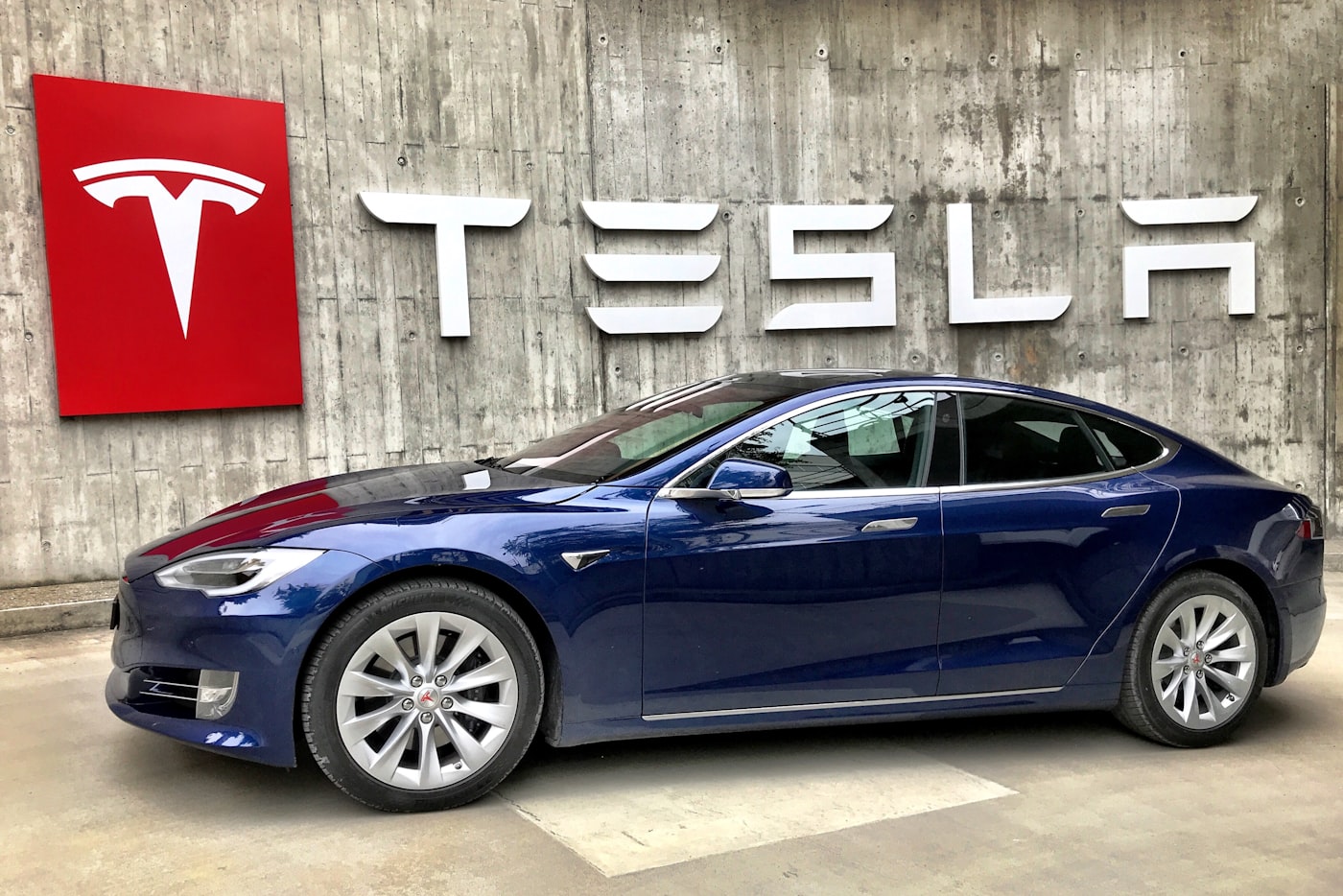
13 Million
EVs Target by 2050
Key Facts
13 Million EVs
Target by 2050 / 100% EV penetration by 2060
Nigeria's national EV adoption targets under the Energy Transition Plan, with full electrification of the vehicle fleet targeted by 2060.
Source: Federal Republic of Nigeria, Energy Transition Plan, 2022 (updated 2024), as reported by Sustainable Energy for All (SEforALL).
30%
Local content requirement by 2030
Mandated under the EV Transition and Green Mobility Bill 2025, designed to anchor EV manufacturing onshore rather than leave Nigeria as an import market.
Source: Electric Vehicle Transition and Green Mobility Bill, 2025 (Senator Orji Uzor Kalu, sponsor).
Ease of Doing Business
Green mobility is one of the most incentive-rich entry environments in Nigeria's clean energy landscape right now, largely because of the momentum behind the EV Transition Bill 2025. Company formation is straightforward — CAC registration online in one to seven days, no minimum share capital; 100% foreign ownership allowed. The tax framework is standard: 30% CIT, 7.5% VAT, and TCC for contracts.
EV charging infrastructure and battery manufacturing are explicitly prioritized under the EV Transition Bill, making them high-eligibility categories for Pioneer Status — the three-to-five-year CIT holiday available via NIPC. On customs, solar panels, inverters, and batteries imported under HS 8541.xx attract 0% import duty and are VAT zero-rated under ECOWAS CET and 2026 NTA exemptions, though PAAR pre-clearance is required at the port.
Nigeria's green mobility market is taking a dual track: global electric vehicle brands entering cautiously alongside local assemblers moving aggressively. On the vehicle side, electric buses are the most significant entry point for international manufacturers. On the local side, Nigeria's nascent EV assembly sector is growing through foreign OEM partnership models. The charging infrastructure segment is in early-stage development, with global energy management companies active in the broader space.
For investors, the EV supply chain is still being built — early-mover relationships with assemblers, charging infrastructure providers, and EPC contractors are available and competitively open in a way they will not be once the market matures. The residual challenge is market-side: unproven business models and import tariff volatility on non-exempted components remain active risks.
Investor Advantages
- check_circleCAC incorporation typically completed within 1–7 days
- check_circle100% foreign ownership permitted
- check_circlePioneer Status tax holiday (3–5 years) for EV charging & battery manufacturing
- check_circle0% import duty and VAT zero-rating on solar panels, inverters & batteries (HS 8541.xx)
- check_circle30% local content mandate creates structural advantage for local assembly & partnerships
- check_circleFuel subsidy removal creates direct cost signal favoring electric alternatives
- check_circleEarly-mover advantage: supply chain relationships available before market matures
Key Message: Green mobility is genuinely competitive — the policy intent is clear, the incentives are codified, and the entry process is well-mapped.
Regulations
Applicable Laws & Policies
The overarching framework rests on the Electricity Act 2023, which governs all electricity supply and tariff matters relevant to EV charging infrastructure. The EV Transition and Green Mobility Bill 2025 is the central piece of dedicated legislation — as of May 2026 it has not been passed into law despite proposing a licensing regime for the sector. Supporting instruments include the National Integrated Electricity Policy 2025, the National Automotive Industry Development Plan (NAIDP) 2023, Nigeria's updated Nationally Determined Contributions (NDCs), and the Energy Transition Plan 2022.
Project Development Frameworks
Regulatory treatment currently splits across three operational lanes, since the Bill has not yet been enacted:
Electricity Supply & Tariffs
Governed by NERC, with permits or simplified registration depending on charging station capacity.
Standards & Policy Direction
Led by NADDC on EV policy generally, and by SON on technical and safety standards.
Import & Fiscal Treatment
Administered by the Nigeria Customs Service under the Nigeria First Policy, covering duty waivers and VAT exemptions.
Regulatory Requirements
CAC incorporation typically completes within 1–7 days; foreign investors may retain 100% ownership.
NIPC registration via the One-Stop Investment Centre (OSIC) is recommended for fiscal incentive access, including a 3–5-year Pioneer Status tax holiday.
NESREA governs battery waste, e-waste, and emissions compliance for EV battery imports and end-of-life management.
FMEnv EIA is mandatory for large-scale charging infrastructure with significant environmental impact; smaller installations are subject to lighter environmental screening.
Land access requires consents or certificates of occupancy from state governors, plus local government planning approval, with preference given to urban, highway, and transport hub locations.
Solar-powered & off-grid charging stations are eligible for net billing under Section 80 of the Electricity Act 2023 and can access REA and REF support; co-location with existing mini-grid infrastructure is explicitly recognized as a viable, investable model.
Key Regulatory Agencies
 Nigerian Electricity Regulatory Commission (NERC)
 Standards Organization of Nigeria (SON)
account_balance
Nigeria Customs Service
Standards Organization of Nigeria (SON)
account_balance
Nigeria Customs Service
 National Environmental Standards & Regulations Enforcement Agency (NESREA)
 Nigerian Investment Promotion Commission (NIPC)
 Rural Electrification Agency (REA)
 Nigerian Electricity Management Services Agency (NEMSA)
account_balance
Federal Road Safety Corps (FRSC) & Vehicle Inspection Officers (VIO)
Nigerian Electricity Management Services Agency (NEMSA)
account_balance
Federal Road Safety Corps (FRSC) & Vehicle Inspection Officers (VIO)
Technical Standards
All imported EV components must meet NIS/IEC standards. SON administers SONCAP for imports and MANCAP for locally manufactured products, with SONCAP fees ranging from 0.2–2% of CIF value. NEMSA certification is mandatory wherever electricity infrastructure is involved. In October 2025, SON inaugurated a National Technical Committee on Electric Mobility Standards, with 35 proposed Nigerian Industrial Standards on Electric Mobility currently under development; a follow-up meeting to advance national guidance standards for EV charging stations is scheduled for Lagos in June 2026, with full standards expected to be gazetted by late 2026.
Green Mobility Project Development
Useful Resources
Finance
Public Finance
BOI concessional loans are available for EV charging infrastructure and battery assembly. REA's Rural Electrification Fund provides support for solar-powered and off-grid charging stations. The NSIA-backed $500M DRE Nigeria Fund is accessible for RE-linked charging infrastructure projects.
Bank of Industry (BOI)
Concessional loans for EV charging infrastructure and battery assembly.
REA / Rural Electrification Fund
Support for solar-powered and off-grid charging stations.
DRE Nigeria Fund
NSIA-backed $500M fund accessible for RE-linked charging infrastructure projects.
Commercial Finance
Local banks — FCMB, Sterling, Access, and Lotus — are active in RE and green mobility lending. AfDB, IFC, and Africa Finance Corporation provide debt and equity participation. InfraCredit guarantees and green bonds are available for well-structured EV infrastructure transactions.
Guarantees & Risk Instruments
World Bank and AfDB Partial Risk Guarantees (PRGs), MIGA political risk insurance, and NSIA credit enhancements are all accessible. PRGs are the recommended instrument to mitigate risk around EV policy implementation timelines.
Blended Finance
AfDB and EU blended structures are the most active deal format for green mobility. BOI and DFI concessional debt, combined with grant funding, represent the strongest near-term financing stack for EV charging and local assembly projects.
Investor Outlook: Investors who can demonstrate demand aggregation, fleet operator offtake, or solar-hybrid charging economics will find commercial finance significantly easier to access. The regulatory framework is still being written; investors who engage now, while standards and licensing are being shaped, are best positioned to define the market.
Opportunities
Nigeria's green mobility market is being built in real time — EV bus fleets are already operating, solar charging pilots are expanding, and local assembly lines are running. For investors willing to move while the market is still being shaped, the first-mover advantage is significant.
As the regulatory framework is finalized and SON standards are gazetted, the market will open further. Investors can access growing pipeline intelligence through platforms such as Nigeria SE4ALL, which provide information on electrification gaps, renewable energy demand centres, project pipelines, and priority investment locations.
Visit Nigeria SE4ALL open_in_newEV Charging Infrastructure
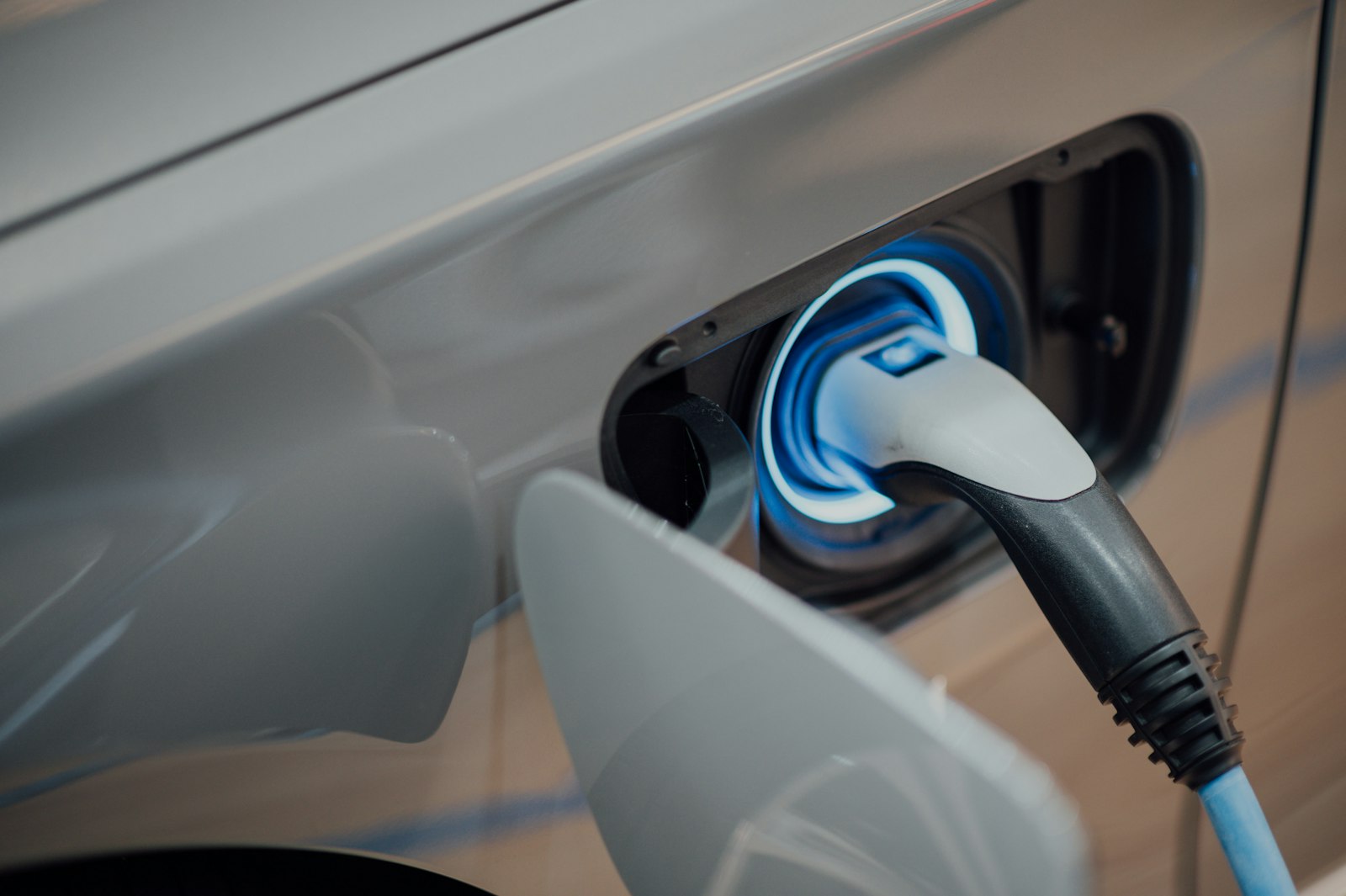
The charging infrastructure segment is in early-stage development, with global energy management companies active in the broader space. Solar-powered and off-grid charging stations are eligible for net billing under Section 80 of the Electricity Act 2023 and can access REA and REF support. Co-location with existing mini-grid infrastructure is explicitly recognized as a viable, investable model.
Investors who establish positions now — across charging infrastructure, fleet financing, or local assembly — will be best placed to scale as the enabling environment catches up with demand.
Local Assembly & Manufacturing
Nigeria is now home to a 100,000-unit capacity electric two-wheeler assembly plant in Ogun State. The EV Transition and Green Mobility Bill 2025 mandates 30% local content by 2030, which gives local assembly and partnership models a structural advantage in procurement and incentive access. Foreign OEM partnership models mirror the CKD assembly playbook used successfully in the conventional vehicle market.
Geographic Hotspots
High-opportunity markets are concentrated in Nigeria's major cities where EV bus deployments are already operating and commercial transport demand is strongest. Urban, highway, and transport hub locations receive priority for charging infrastructure land access approvals under current regulatory guidance.